
mirror with led lights for makeup
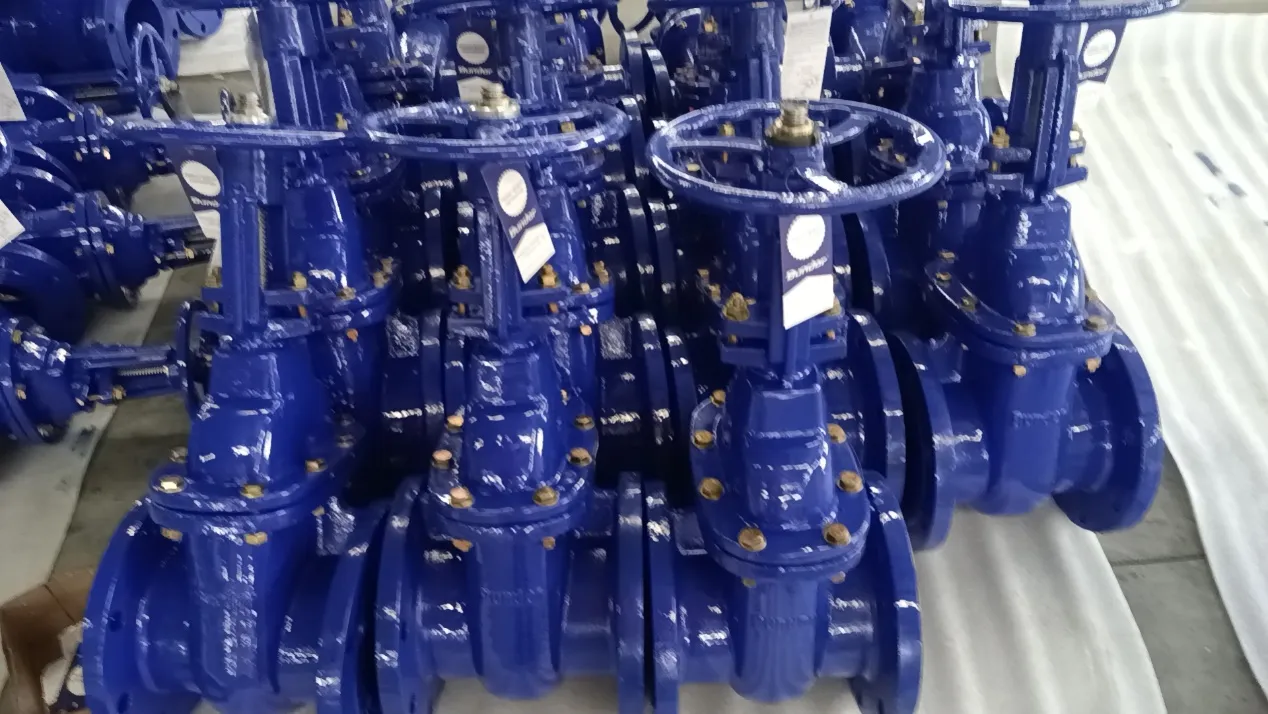
How to Change the Main Water Valve Changing the main water valve in your home is an important task that can prevent potential water-related issues. Whether you are replacing a malfunctioning valve or simply upgrading to a more efficient model, the process can be straightforward with the right tools and guidance. Here’s a step-by-step guide on how to change the main water valve. Step 1 Gather Your Materials Before starting the replacement process, make sure you have all the necessary materials. You will need - A new main water valve (make sure it matches your existing one) - Pipe wrenches - Adjustable wrench - Teflon tape - A bucket or towel to catch any water - Safety goggles Step 2 Locate the Main Water Valve The main water valve is usually located near where the water line enters your home. It can be found in a basement, crawl space, or outside near the foundation. Identify which valve you need to replace by testing its functionality; turn it to see if it properly shuts off the water supply. Step 3 Shut Off the Water Supply Before you proceed with changing the valve, it is crucial to turn off the water supply to your home. This can usually be done by finding the main shut-off valve, which may be located close to where the water line enters your house. Once you have turned off the water, open a few faucets to relieve any remaining pressure in the pipes. Step 4 Drain the Pipes Once the water is turned off, it is advisable to drain the remaining water from the pipes. This can be done by opening fixtures in your home and letting them run until the water stops flowing. Using a bucket or a towel can help catch any residual water that may spill out during the valve change. how to change main water valve Step 5 Remove the Old Valve Using a pipe wrench, carefully loosen the nuts connecting the old valve to the pipes. Keep in mind that there may still be some residual water, so be prepared for a little spillage. Once you have loosened the connections, remove the old valve from the water line. Step 6 Install the New Valve Take your new valve and wrap Teflon tape around the threaded ends to ensure a watertight seal. Attach the new valve to the pipes, tightening the connections carefully with the pipe wrench. Avoid over-tightening, as this may damage the threads. Step 7 Test for Leaks With your new valve installed, it’s time to turn the water supply back on. Slowly open the main shut-off valve and check for leaks around the new valve. If you see any dripping, tighten the connections slightly until they stop leaking. Step 8 Clean Up After confirming that everything is working properly and there are no leaks, clean up your workspace. Dispose of the old valve and any towels or buckets used to catch spillage. Conclusion Changing the main water valve may seem daunting, but with careful preparation and attention to detail, it’s a task that many homeowners can tackle themselves. Always remember to prioritize safety and take your time to ensure everything is done correctly. If at any point you feel uncertain, don’t hesitate to consult a professional plumber. By following these steps, you can secure a reliable water supply for your home and avoid future plumbing issues.
about
mirror with led lights for makeup
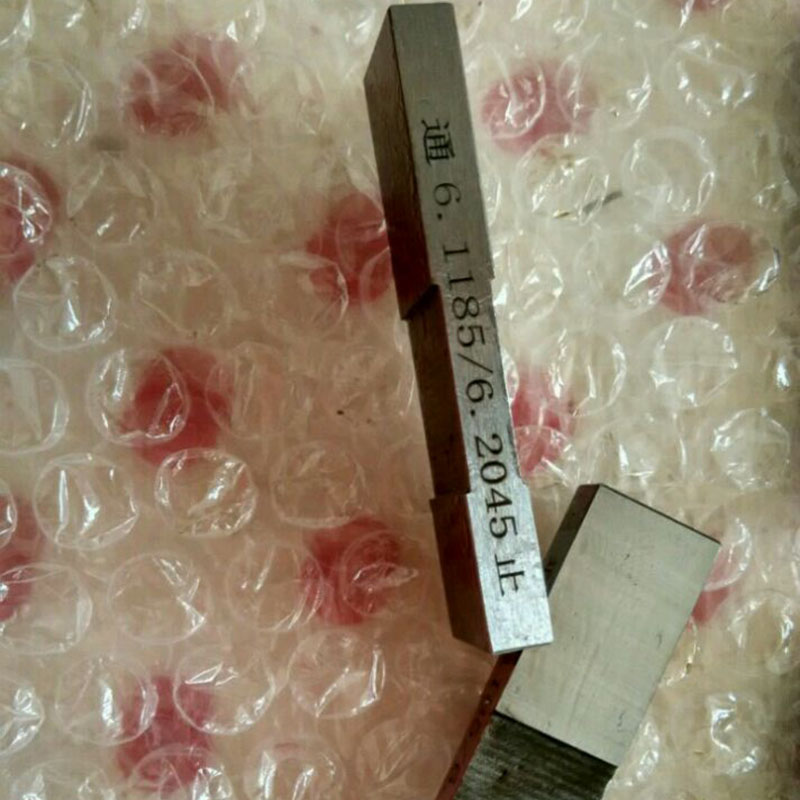
The Importance of Small Hole Gauges in Precision Measurement In the world of manufacturing and quality control, precision is paramount. Engineers and technicians rely on an array of tools to ensure that every component and part meets strict specifications. Among these tools, the small hole gauge plays a crucial role, particularly when it comes to measuring small diameters with utmost accuracy. This article will explore the significance of small hole gauges, their applications, and the benefits they offer in various industries. Small hole gauges are specialized measuring instruments designed to assess the internal diameter of holes that are often too small for conventional measurement tools. These gauges can vary in design, but they typically feature a tapered or spherical end that is inserted into the hole being measured. The measurement is made based on how far the gauge can be inserted, with the measurement often verified using a micrometer or dial indicator. The Importance of Small Hole Gauges in Precision Measurement Another area where small hole gauges prove useful is in quality control. During the production process, it's vital to monitor manufactured parts for quality assurance. Using small hole gauges at various stages can help detect deviations in hole sizes early in the manufacturing process, reducing waste and avoiding costly rework. This proactive approach not only enhances product quality but also streamlines the production process, leading to more efficient operations. small hole gauge is used to measure Furthermore, small hole gauges are invaluable in research and development environments. As new materials and innovative designs are created, the need for precise measurements becomes even more critical. Researchers use small hole gauges to assess prototypes and ensure that new designs meet specified criteria before moving forward to full-scale production. This is especially true in fields such as medical device manufacturing, where precision can impact functionality and safety. The benefits of using small hole gauges extend beyond simply measuring dimensions. They offer ease of use, portability, and affordability compared to more complex measurement systems. While advanced electronic measuring devices can provide high precision, small hole gauges can be used quickly and effectively without the need for calibration or power sources. Moreover, the skill required to use a small hole gauge can enhance the technician's understanding of the manufacturing process. The manual measurement process fosters a deeper appreciation for dimensional tolerances and the importance of precision in engineering. As technicians become adept at using these gauges, they cultivate expertise that benefits their overall craftsmanship and contributes to a culture of quality within the organization. In summary, the small hole gauge is an essential tool for anyone involved in precision measurement and manufacturing. Its ability to accurately measure small diameters makes it indispensable in ensuring that components meet stringent quality standards. By utilizing small hole gauges effectively, industries can achieve greater reliability, enhance safety, and ultimately deliver superior products to consumers. As the demand for precision continues to grow, the role of small hole gauges will undoubtedly remain critical in the landscape of modern manufacturing.
-

High quality industrial productsagement

High quality industrial products
View Details -

Meet the diverse needs of customers

Meet the diverse needs of customers
View Details -

Strict quality control

Strict quality control
View Details -

Top raw materials

Top raw materials
View Details -

Trusted supplier

Trusted supplier
View Details
Our application


news and information
Versatile Large Metal Strainer for Efficient Kitchen Tasks and Food Preparation Needs
The Benefits and Versatility of Large Metal Strainers In the culinary world, the tools we use can si
Versatile and Durable Metal Angle Brackets for Adjustable Applications in Home and Industrial Projec
The Versatility and Utility of Adjustable Metal Angle Brackets In the world of construction and DIY

Valvola di ritegno tipo disco
Controllo dei Valvole a Terra con Disc Type Il controllo dei valvole a disco è un aspetto fondamenta
 English